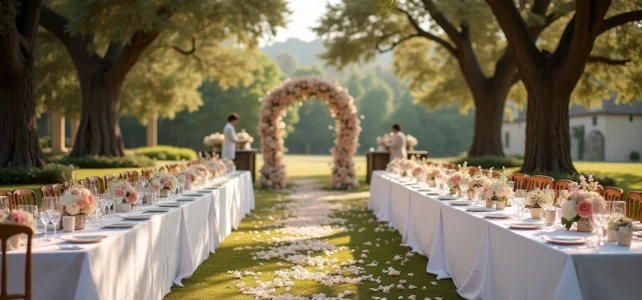
Organizing a perfect wedding relies less on a long checklist and more on a few decisions made at the right time. Each choice shapes the atmosphere, the budget, and the memory your guests will keep of this day. Here are ten concrete tips, listed in no particular order, to create an unforgettable wedding that reflects you.
1. Set a budget envelope before visiting any venue

Almost all couples who share their experiences after their wedding admit to having exceeded their initial budget. The most effective strategy is to set an overall cap before contacting any vendor. This amount includes the venue, catering, attire, decoration, and a safety margin.
Then, allocate this budget across weighted categories according to your couple priorities. If live music is more important than floral decoration, give it a larger share. This sorting prevents impulsive spending during meetings.
You will also find many tips for a successful wedding on Univers Mariage, particularly on managing finances in the early weeks of planning.
2. Choose the wedding date based on the venue, not the other way around
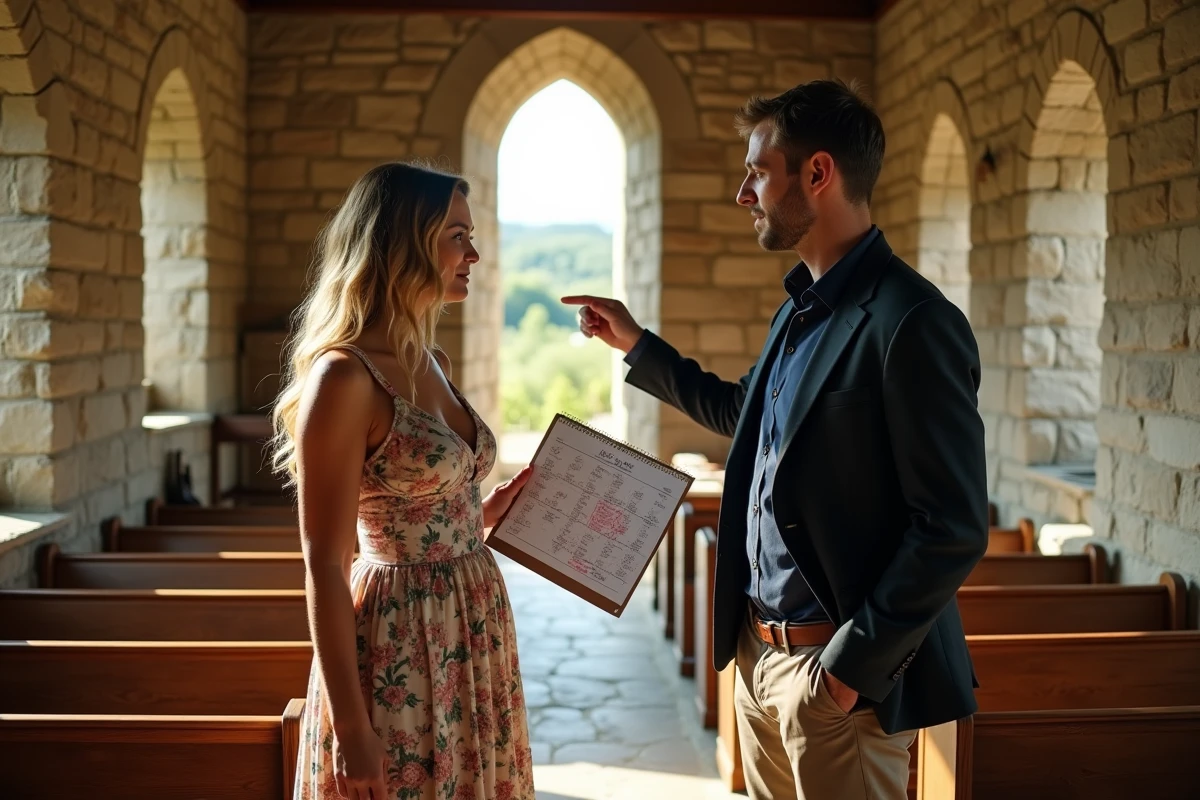
Many couples block a date and then look for a venue available that day. By doing it the other way around, you deprive yourself of dozens of options. First, identify two or three venues that match your vision, then compare their available slots.
A wedding in the off-season opens up often overlooked possibilities. Rental rates drop, vendors are more available, and the autumn light creates remarkable photos.
3. Design the table setting as a sensory experience
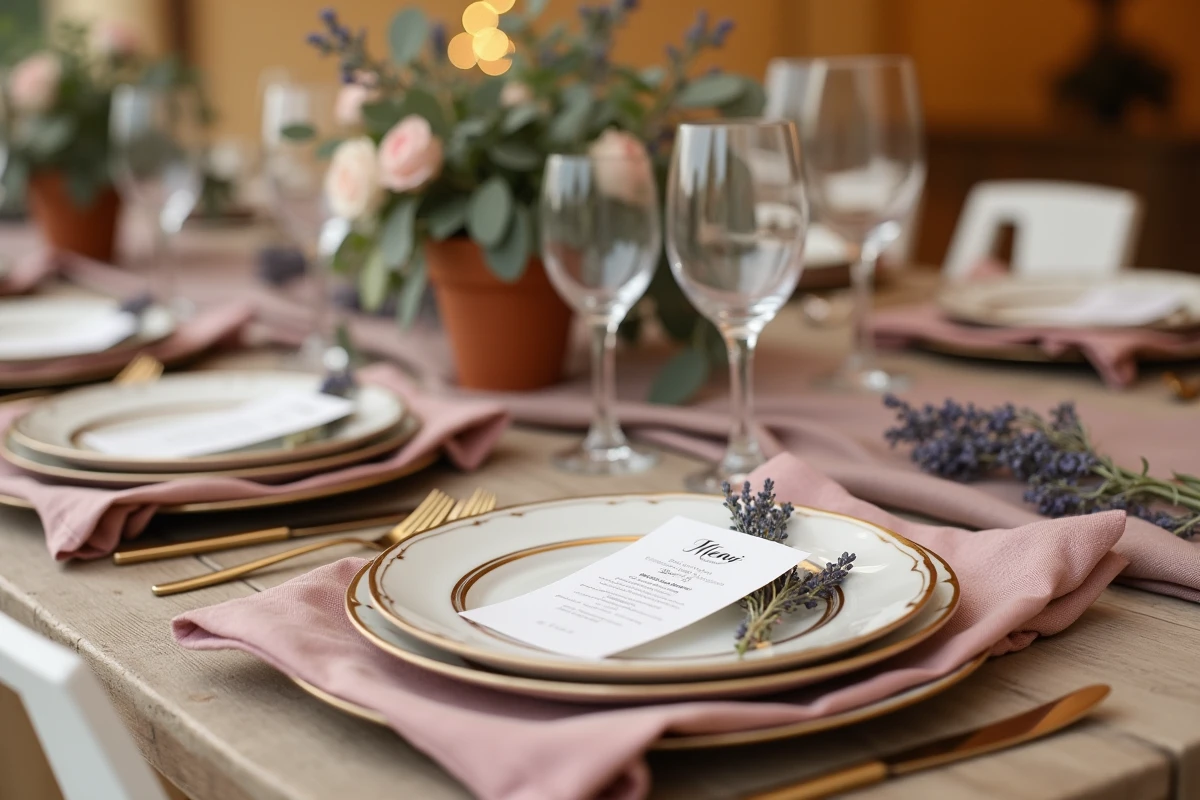
The art of the table goes beyond simple decoration. It is the first physical contact your guests have with the meal’s atmosphere: the texture of the napkin, the color of the dishes, the scent of the centerpiece.
Why does this detail change the perception of the meal so much? Because a guest sits down and observes the table before even tasting the first dish. A coherent staging (colors, materials, heights of bouquets) creates an immersive effect that food alone does not produce.
4. Write a script for the secular ceremony

A secular ceremony without structure often results in a series of unrelated speeches. Write a minute-by-minute guide: welcome, first reading, symbolic ritual, exchange of vows, closing music.
Each intervention should last between two and five minutes to maintain attention. Communicate this framework to the speakers at least three weeks before the big day, and plan a short rehearsal the day before.
5. Prepare the witnesses for their speeches rather than leaving them to improvise

The witness speech has become a highlight, eagerly anticipated by guests as much as by the couple. Specialized articles now offer humorous, emotional, or solemn examples to help witnesses structure their speeches.
Give your witnesses a simple framework: target duration, desired tone, anecdotes to avoid. This preparation does not stifle spontaneity; it prevents awkward pauses and lengthy speeches.
6. Anchor the wedding theme in a specific atmosphere
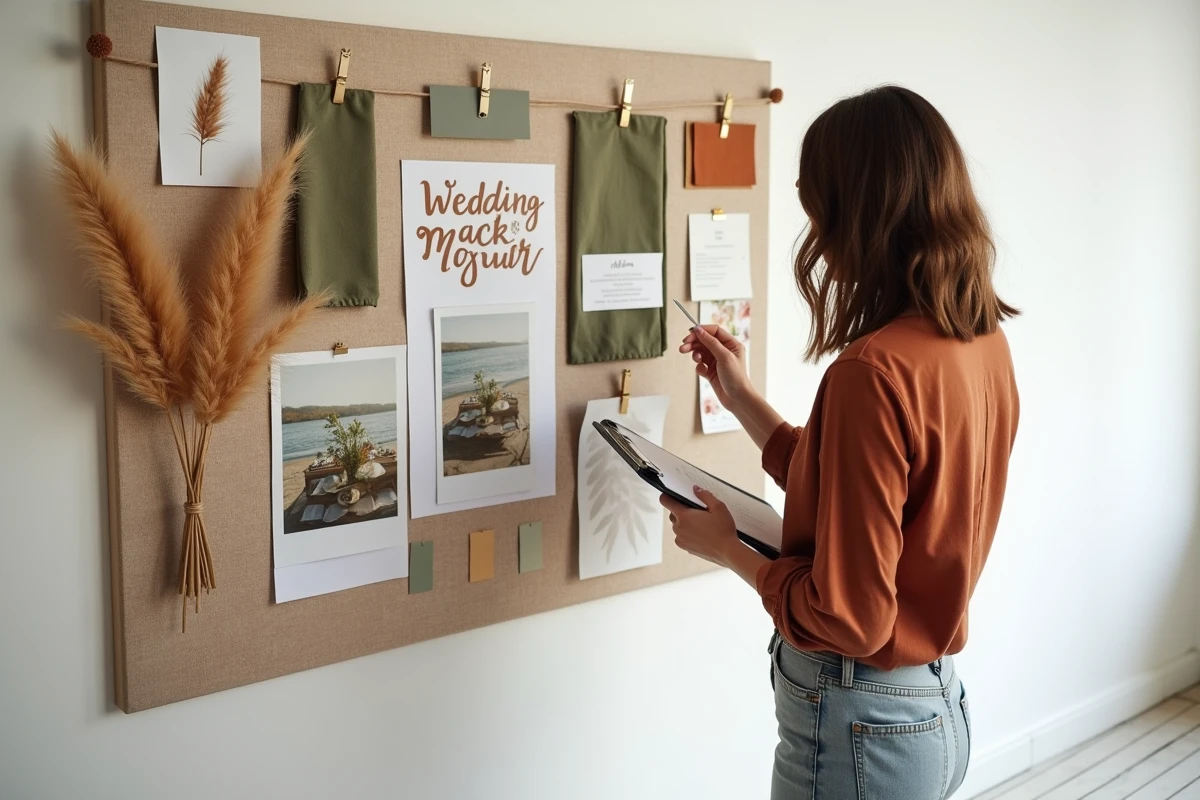
Have you noticed that memorable weddings share a common point? They tell a coherent visual story. The most striking themes rely on recurring codes: dried flowers, raw wood, and macramé for a bohemian wedding, or pastel tones and porcelain for a romantic atmosphere.
Choosing a theme is not enough. It must be reflected in every point of contact: invitations, signage, menu, photobooth. This coherence transforms a series of details into a unified guest experience.
7. Create a dedicated email address for wedding planning

This advice may seem trivial, but it greatly simplifies tracking. A common address (like firstname.lastname.wedding@) centralizes all exchanges with vendors, quotes, confirmations, and follow-ups.
Both partners have permanent access to it. No more need to forward emails or search for a quote in a cluttered personal inbox. It also serves as a good filter: everything related to the wedding stays in one space.
8. Prepare a realistic weather backup plan for the outdoor ceremony
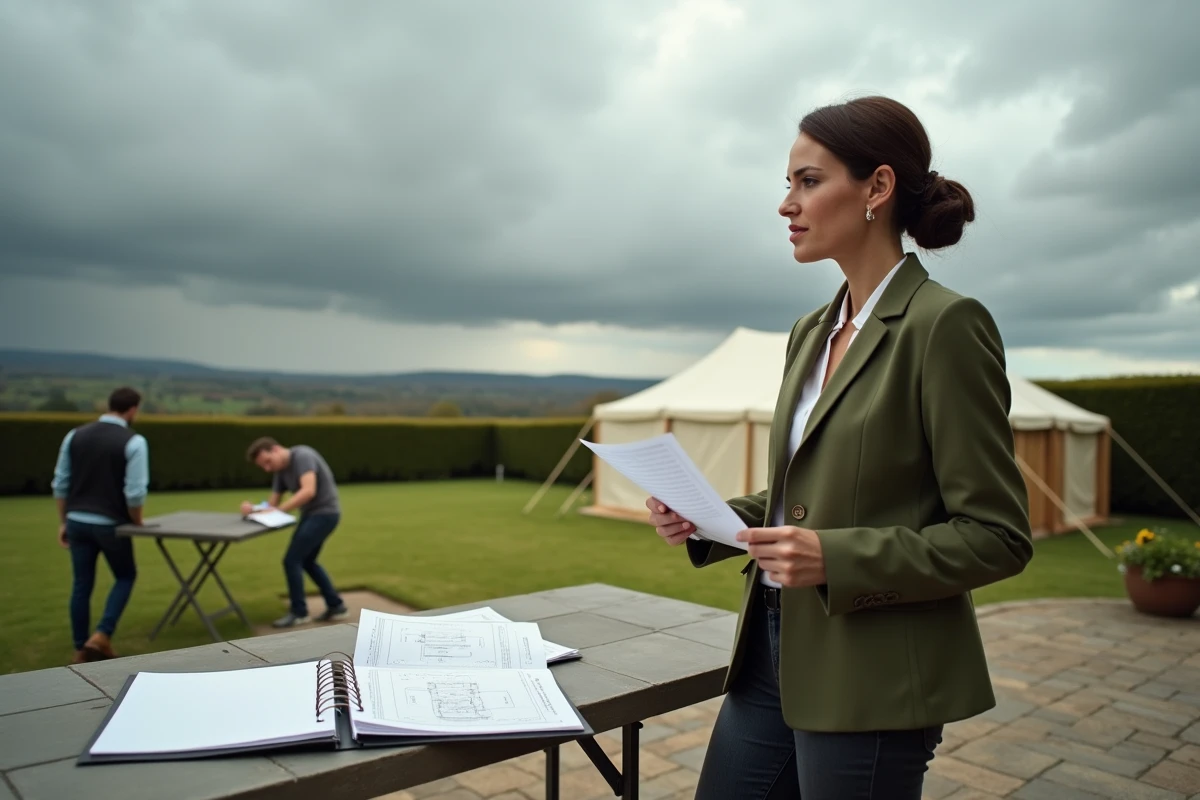
Organizing an outdoor ceremony without a backup solution remains a risky bet. The backup plan should not be limited to “we’ll go inside.” It must include:
- A covered space capable of accommodating all seated guests, with the same layout as the outdoor version
- A clear decision timeline (for example, confirmation the night before based on the weather)
- Appropriate signage to guide guests to the alternative location without confusion
A well-thought-out backup plan can be activated without stress. An improvised backup plan on the morning of the event generates visible tension for everyone.
9. Think of the cocktail hour as a moment of entertainment, not just a break
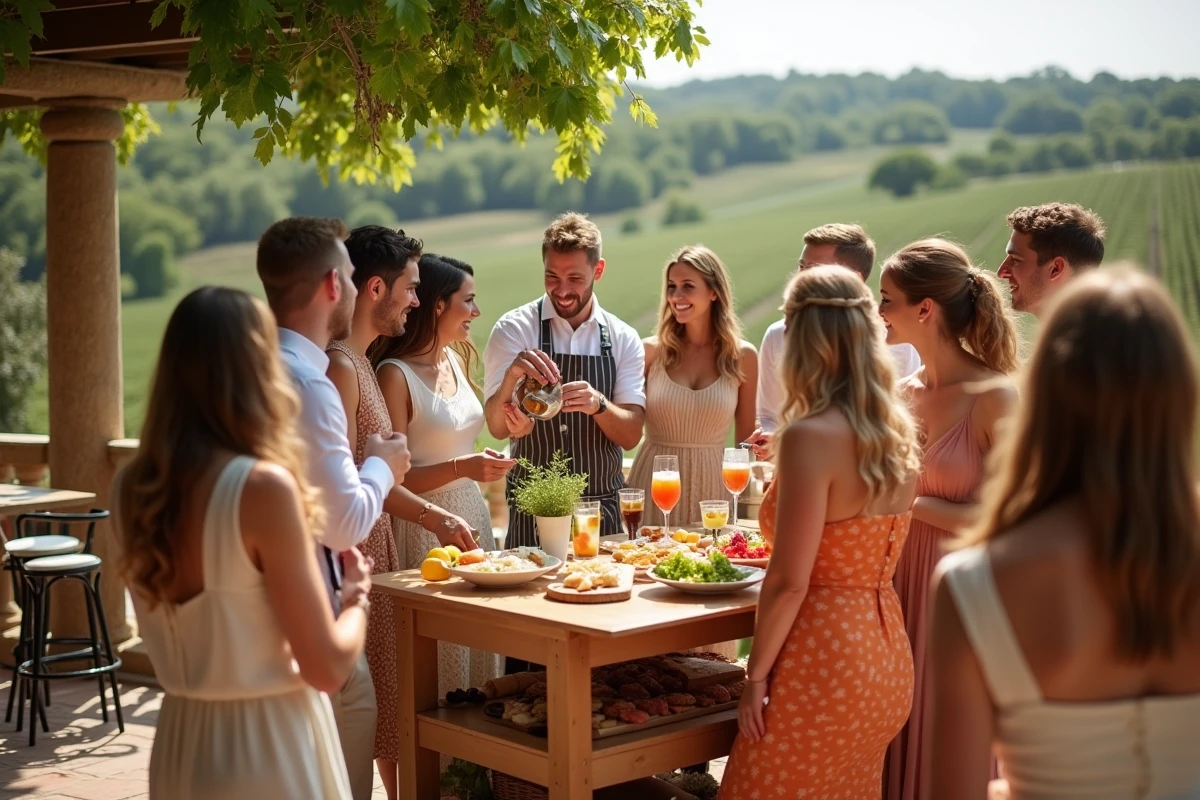
The cocktail hour is the moment when your guests mingle for the first time. If nothing happens, groups will stay together. An interactive culinary activity (cocktail bar, garnish workshop, cheese cutting station) provides a conversation starter for guests who do not know each other.
Two or three short workshops are enough. The goal is not to fill every minute but to create natural meeting points.
10. Require a written contract with each wedding vendor

A verbal agreement with a caterer, DJ, or photographer protects no one. Each service must be documented in a signed agreement that specifies:
- The date, time, and location of the service
- The exact details of the service (number of dishes, hours of presence, photo deliverables)
- The cancellation and deposit refund conditions
Any oral agreement without written documentation is a source of disputes on the big day. Keep these contracts in a shared folder, accessible from your dedicated email address.
The common thread of these ten tips boils down to one idea: every organizational decision shapes the experience your guests will have. A controlled budget, a coherent theme, and vendors framed in writing do not guarantee perfection, but they free up the mental space needed to enjoy the big day without logistical worries.