Each new season brings its share of silhouettes, colors, and materials that reshape wardrobes. The autumn-winter 2026-2027 fashion trends seen during the latest fashion shows confirm several strong directions, but adopting a unique style is not just about replicating a runway look. The real challenge is to identify the pieces that integrate into your existing wardrobe without altering its essence.
Layering and volumes: the fashion silhouette of autumn-winter 2026
Have you noticed that the most successful outfits rarely rely on a single strong piece? This season, layering becomes a fully-fledged stylistic tool. The idea is simple: stack layers of different textures and lengths to create depth.
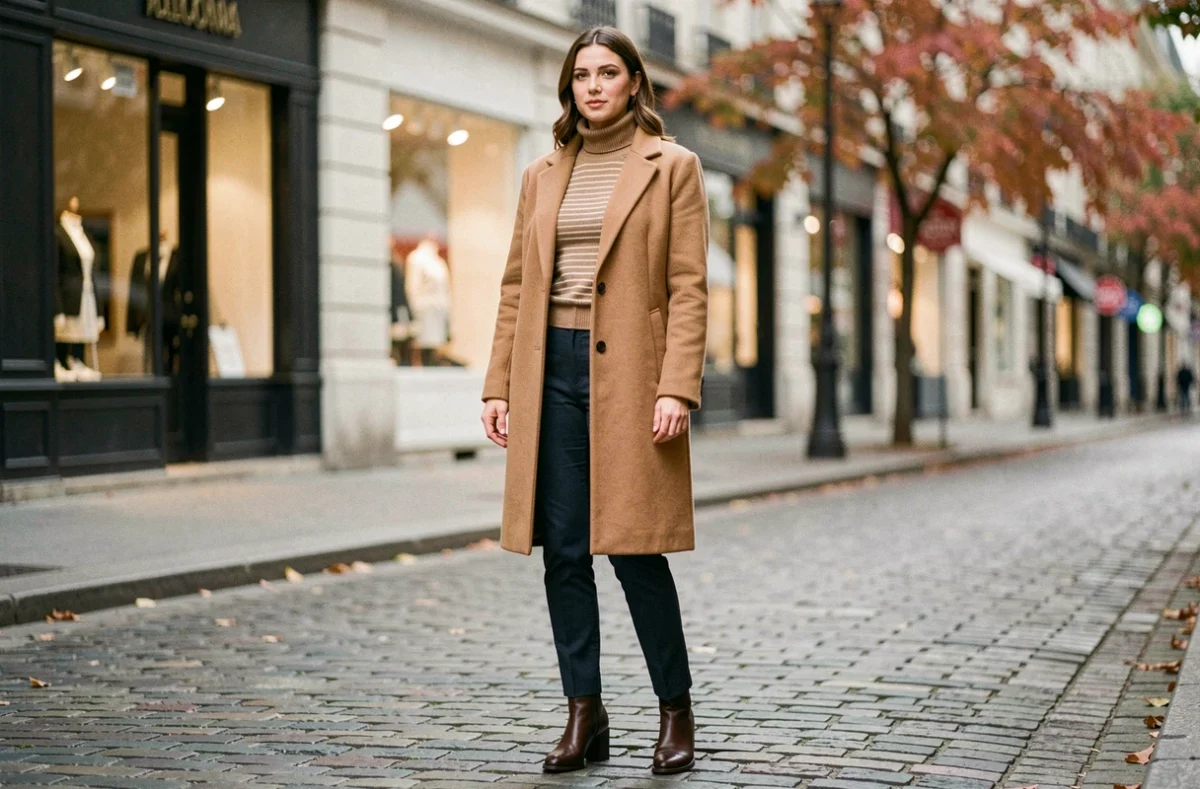
A turtleneck sweater tucked under an oversized blazer, which is itself covered by a mid-length coat, creates a structured silhouette without rigidity. The key is to vary the thicknesses: a fine knit under a denser piece avoids a cardboard effect.
Loose volumes remain present. Slightly puffed sleeves, wide-leg pants, deconstructed jackets: these cuts provide ease and work on all body types. The mistake would be to choose volumes everywhere at once. Favor a single point of volume per outfit, with the rest remaining more fitted. It’s this contrast that makes the silhouette readable.
Several resources decode these associations throughout the season, notably the website www.athlonnews.com, which regularly details the combinations of pieces seen on the runway and their adaptations for everyday wear.
Trending colors for autumn 2026: how to choose them without making mistakes
The runways showcased a contrasting palette. On one side, deep tones (burgundy, midnight blue, forest green) anchor winter looks. On the other, bright colors worn in blocks on a single piece, from bold red to butter yellow.
A strong color is enough to transform a neutral outfit. A camel coat worn with a bright red sweater creates an immediate focal point. No need to match every accessory: a single splash of color does the job.
To integrate these shades without risk, start with accessories. A scarf, a bag, or shoes in a bold color can be added to any basic look. Once comfortable, move on to a more visible piece: colorful pants, a short jacket in a bright hue.
Successful combinations this season
- Burgundy and camel: a warm duo that effortlessly avoids a total dark look
- Midnight blue and off-white: a sharp contrast, easy to replicate with basic wardrobe items
- Forest green and beige: a natural combination that works well both in the city and outdoors
- Bold red on a black background: the most straightforward option to add intensity to a minimalist outfit
Sustainable wardrobe and unique style: circular fashion as a lever
Renewing your style each season does not mean buying a complete wardrobe. One of the most tangible changes in fashion in 2026 comes from a logic of circularity, driven both by consumers and by the European regulatory framework.
The revised European waste directive imposes extended producer responsibility for textiles and footwear. Brands will need to finance the collection, sorting, and recycling of their products. For you, this translates into broader access to second-hand items, repairs, and reuse.
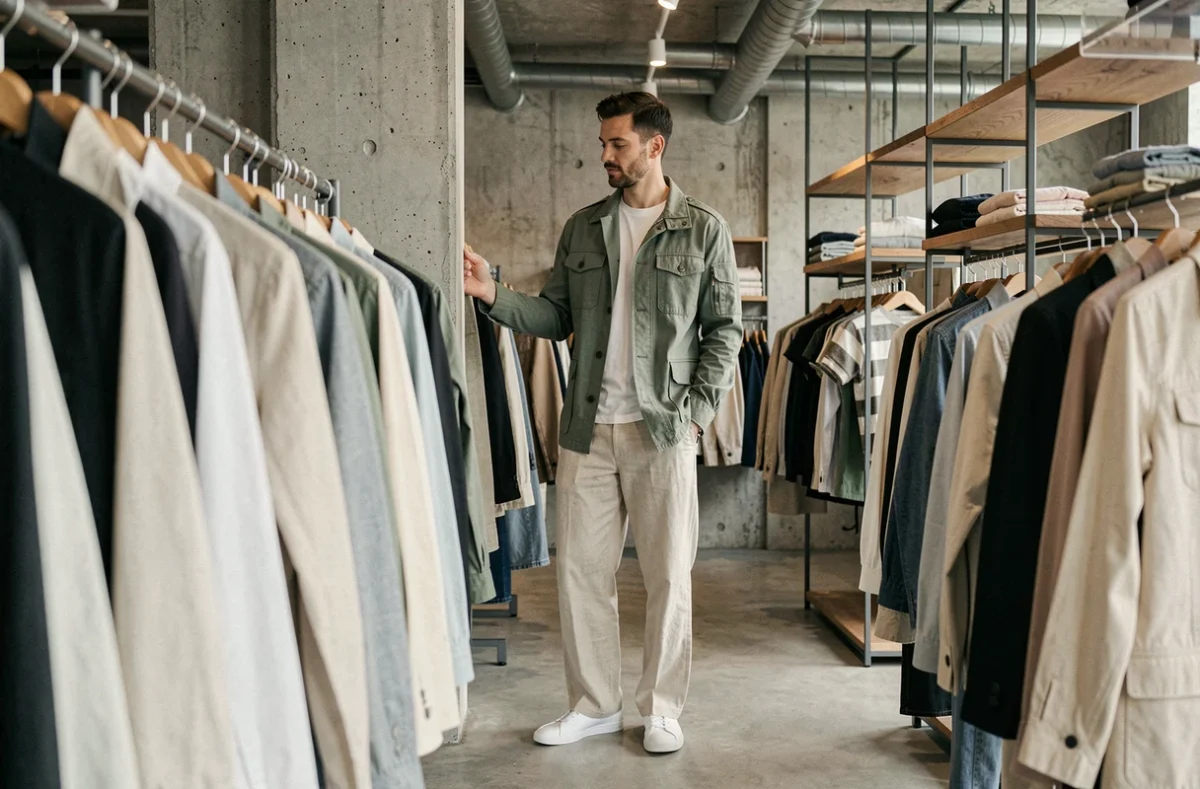
Buying a well-chosen second-hand piece, a wool blazer, a pre-worn raw denim jean, a branded trench coat, allows you to obtain materials and finishes often superior to those of new items at equivalent prices. Focusing on the quality of fibers rather than on novelty gives a more personal style, because vintage or second-hand pieces are by definition less commonly worn around you.
Another point to watch: since July 19, 2026, the destruction of unsold goods is prohibited in the European Union for large companies, on certain categories of clothing, accessories, and footwear. This mechanism pushes brands to better calibrate their collections and, in some cases, to offer end-of-line items at reduced prices rather than destroy them.
Building a personal look without following every fashion trend
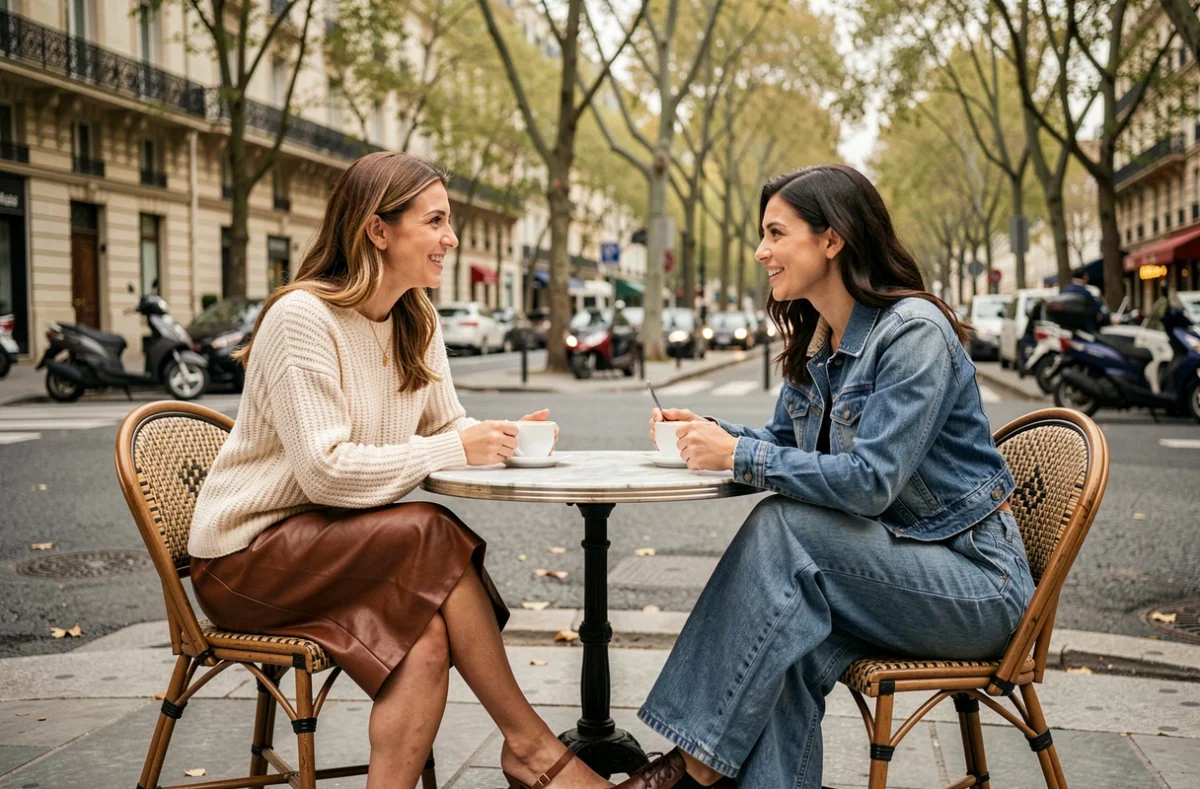
Embracing the trends of the season does not mean adopting them all. The majority of people whose style stands out apply a simple principle: they maintain a stable base and only add one or two new elements each season.
Why this choice? Because a wardrobe that is too frequently renewed loses coherence. A unique style is built on the repetition of certain codes, a color palette, a type of cut, a category of material, in which you feel comfortable.
Method to integrate a trend into your existing style
- Identify the trend that attracts you the most among those of the season (color, volume, material)
- Look for a single piece that embodies it and that can be combined with at least three outfits from your wardrobe
- Wear it several times in different contexts before adding another
- Eliminate a piece that you no longer wear for each new acquisition, to keep a streamlined wardrobe
A successful look relies on coherence, not accumulation. The ecological claims made by some brands also become a point of vigilance: European regulations strengthen controls on terms like “eco-responsible” or “sustainable.” Check the composition and origin of a piece rather than relying on a self-proclaimed label.
This season’s fashion offers enough directions for everyone to find a piece that resonates with them. A unique style does not come from what you wear, but from how you combine it with what you already own. A single well-chosen addition can change the look of an entire wardrobe.