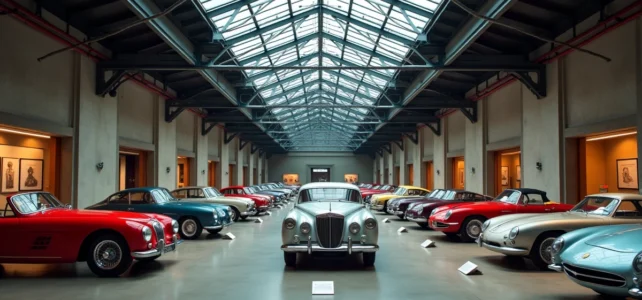
A rare car is defined by an extremely low number of units produced, sometimes reduced to a single unit. This criterion of limited production, combined with the model’s history, its state of preservation, and the reputation of its manufacturer, determines its place in the hierarchy of automotive rarities. This ranking includes ten models whose rarity is documented and whose impact on the collector market remains measurable.
1. Mercedes-Benz 300 SLR Uhlenhaut Coupé
Further reading : Discover the latest news and trends not to miss today
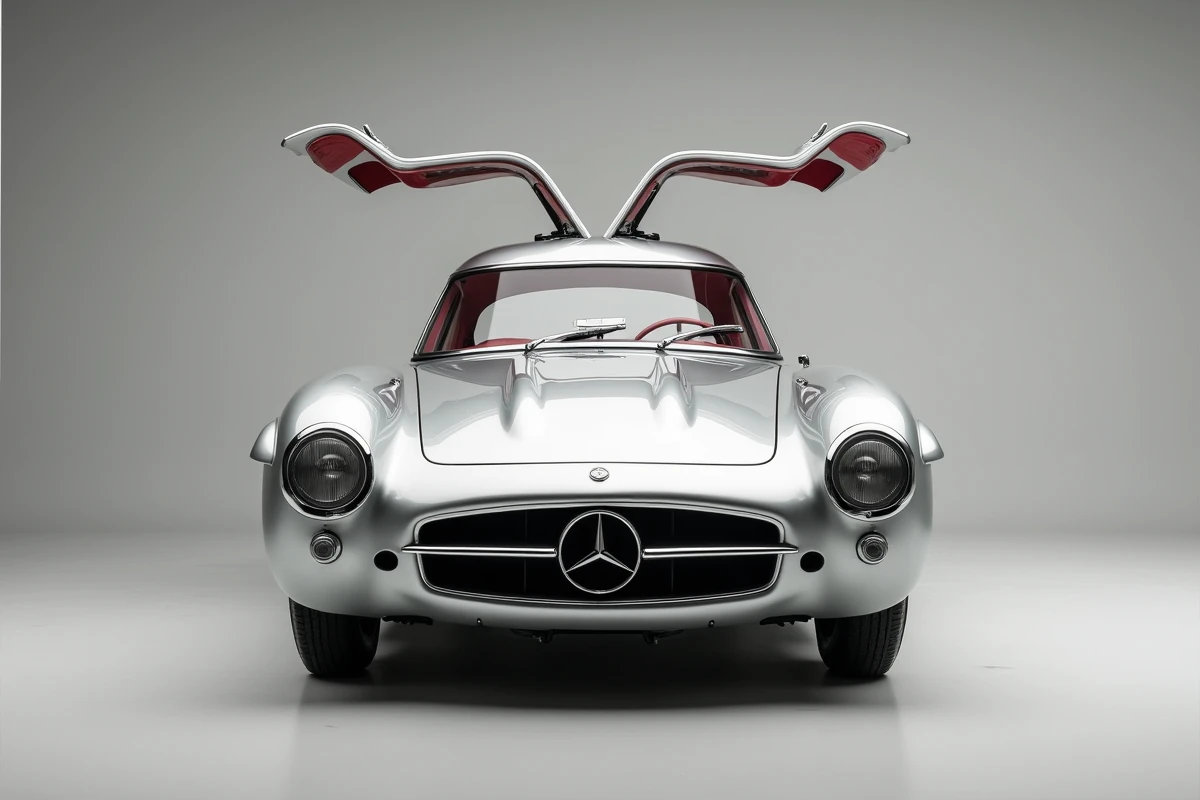
Two units built in 1955, not one more. The 300 SLR Uhlenhaut Coupé takes its name from engineer Rudolf Uhlenhaut, who used it as his personal car. Derived from the W196R Formula 1 single-seater, it features a direct-injection inline eight-cylinder engine, a technology then reserved for competition.
One of the two units was sold at auction in 2022, setting the record for the most expensive car ever sold. This sale confirmed that absolute rarity sets prices at the top of the market. The second unit remains the property of the Mercedes-Benz museum in Stuttgart.
Related reading : Essential Tools to Boost Productivity for Artisans and Professionals
Among rare cars to discover, the 300 SLR illustrates the case where competition technology and almost artisanal production come together to create an unparalleled object.
2. Bugatti Type 57SC Atlantic
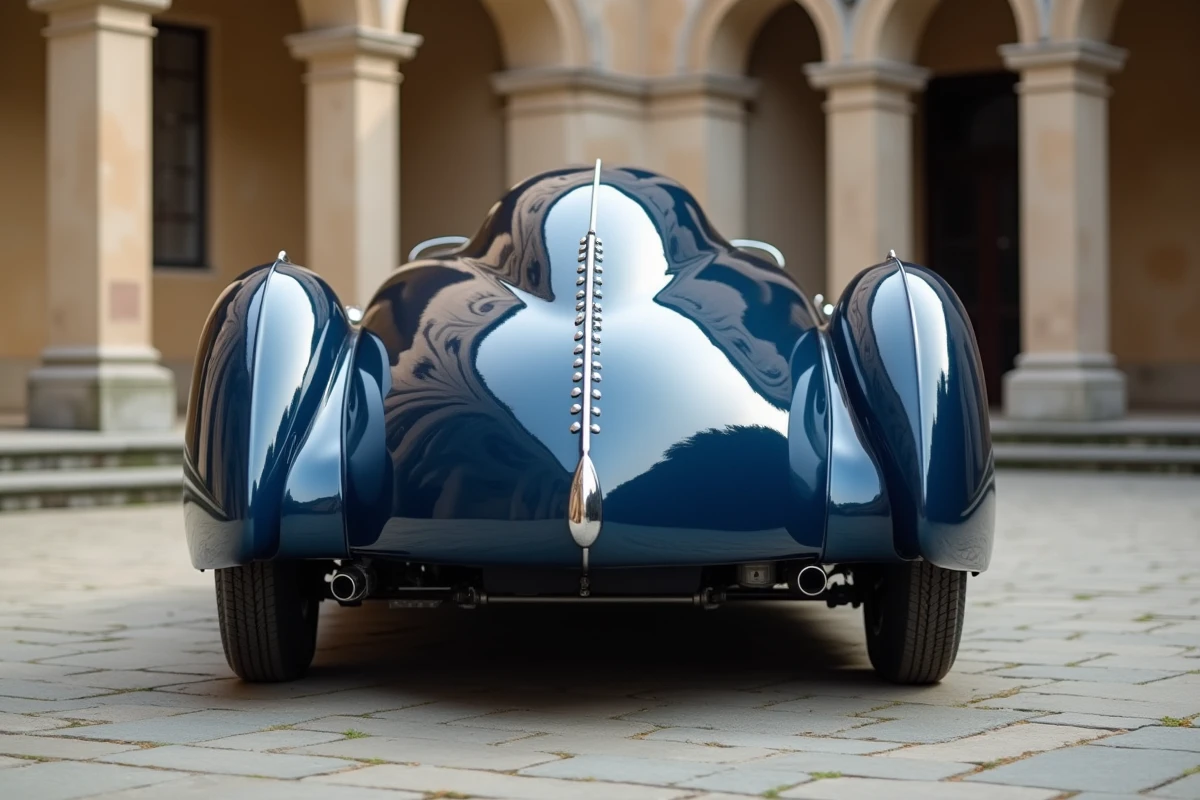
Four units were built between 1936 and 1938. One of them, nicknamed “La Voiture Noire,” disappeared during World War II and has never been found. This disappearance fuels a mystery that further enhances the model’s status.
The design by Jean Bugatti is recognizable by its line of rivets running along the elektron body, a magnesium alloy so difficult to weld at the time that the panels had to be assembled by riveting. This unique construction process gives the Atlantic its immediately identifiable split silhouette.
The three surviving units belong to private collections and the Ralph Lauren museum. Their estimated value places them among the most coveted automobiles by collectors.
3. Ferrari 250 GTO
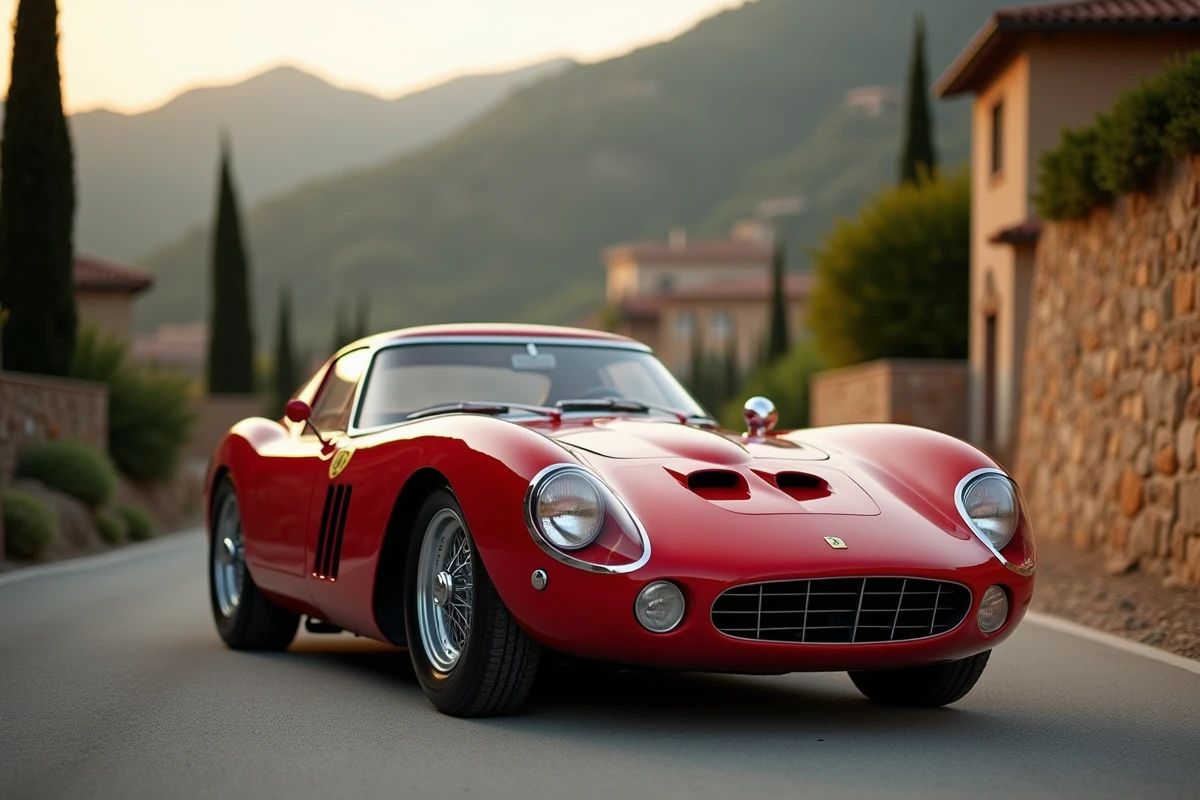
Ferrari produced 36 units of the 250 GTO between 1962 and 1964. This limited number, combined with an exceptional GT racing record, makes it the most sought-after model from Maranello. Its three-liter V12 engine developed a power that allowed it to dominate endurance races of its time.
Each surviving 250 GTO is traceable by its chassis number, and transactions between collectors reach amounts that regularly make it the most expensive Ferrari in the world. The model alone accounts for a significant share of speculation in the classic car market.
4. Phantom Corsair
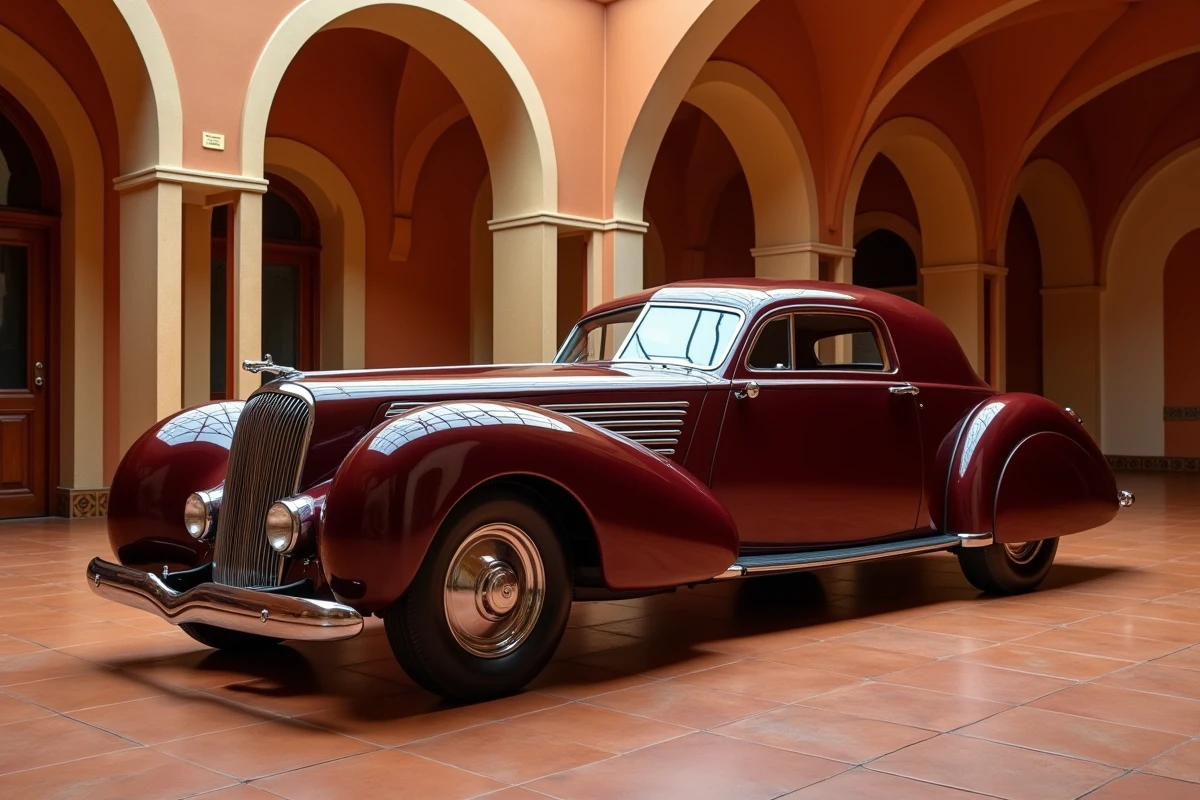
Only one unit built in 1938. Commissioned by Rust Heinz (heir to the food empire of the same name) and crafted by the coachbuilder Bohman and Schwartz, the Phantom Corsair was equipped with a Cord V8 engine. Its design inspired by naval architecture earned it the nickname “car of the future.”
The premature death of Rust Heinz in a car accident in 1939 ended the project for mass production. This unique prototype, showcased at the 1939 New York World’s Fair, remains an isolated testament to a radical aesthetic vision for its time.
5. Alfa Romeo 33 Stradale
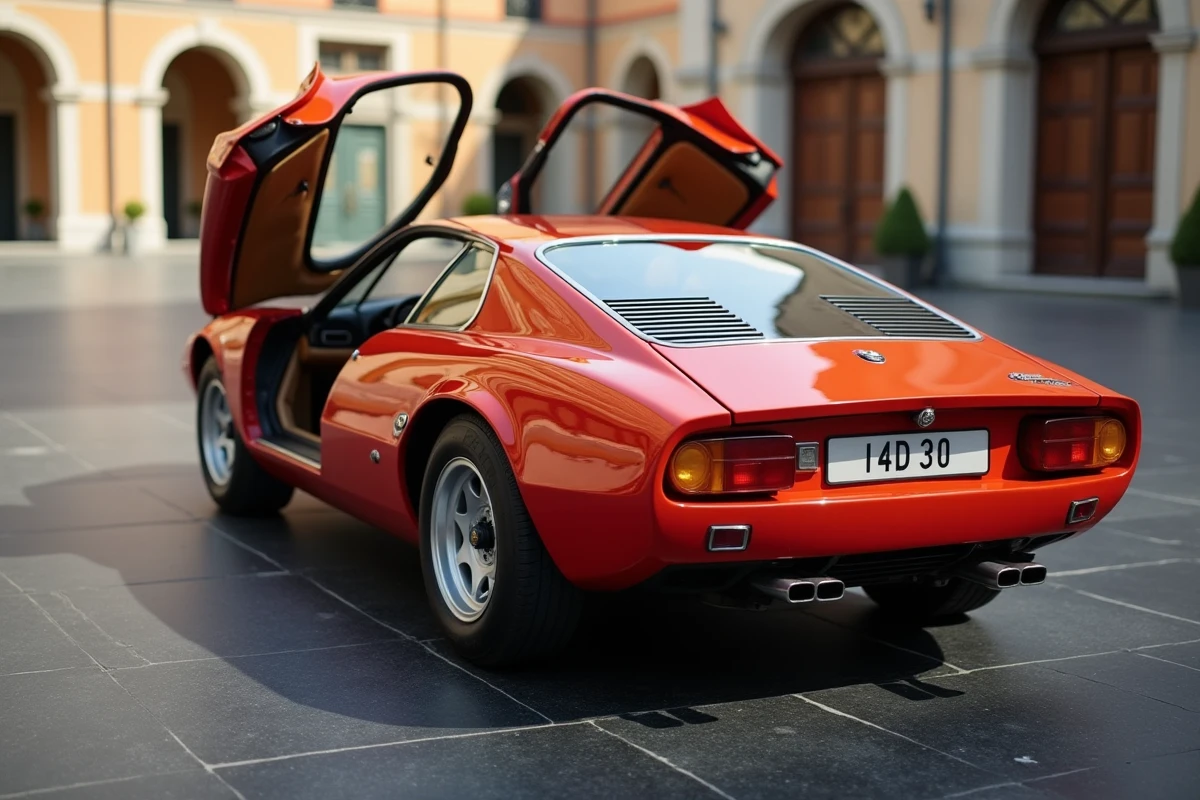
Produced in only 18 units between 1967 and 1969, the 33 Stradale is the first road car with butterfly doors. Its two-liter V8 engine derived from competition and its body designed by Franco Scaglione make it a mechanical work of art.
The 33 Stradale inspired several concept cars bodied by Bertone and Pininfarina on the same technical basis. This stylistic lineage confirms its lasting influence on Italian automotive design.
6. Bugatti Type 41 Royale
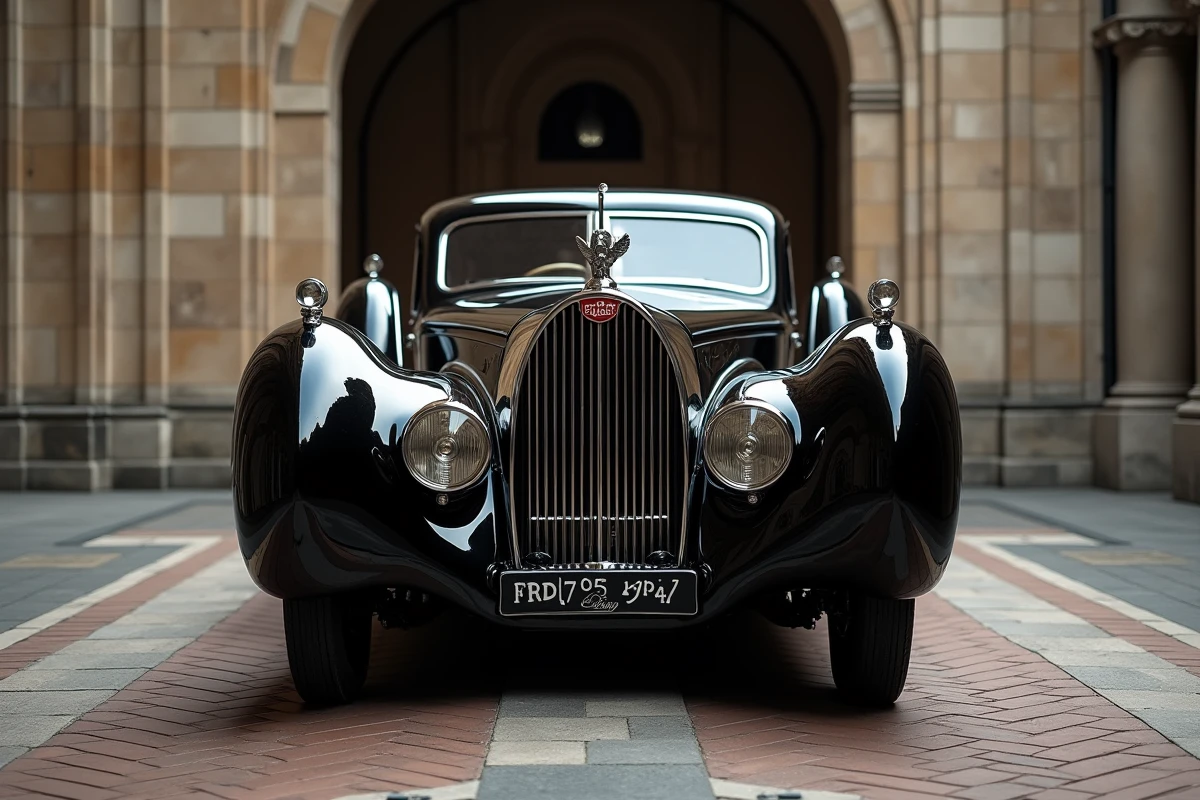
Six units produced, while Ettore Bugatti had planned twenty-five. This oversized model features an inline eight-cylinder engine of nearly thirteen liters of displacement, originally designed for aviation. The Royale targeted a clientele of crowned heads, but the 1929 crisis limited sales.
The six surviving chassis are distributed among museums and private collections. The discrepancy between the ambition of the project and its commercial reality makes the Royale a case study on the limits of uncompromising automotive luxury.
7. Porsche 916
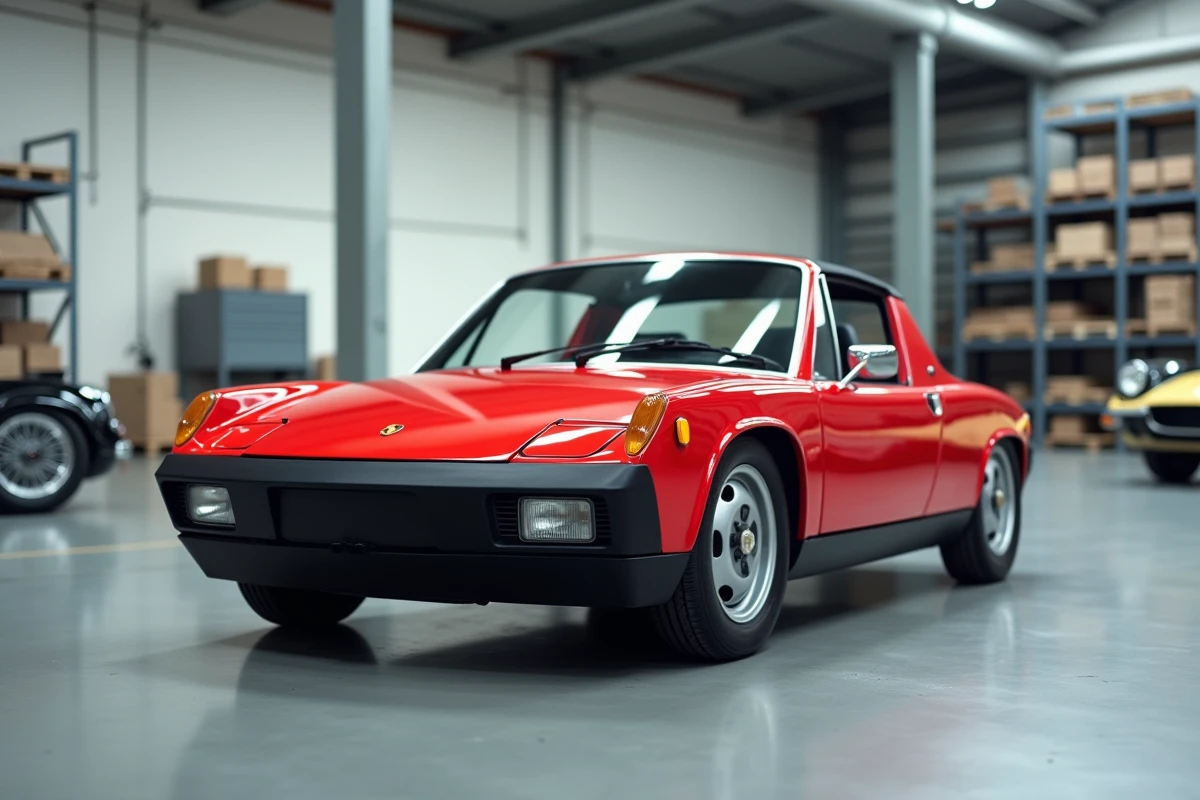
Porsche built only eleven units of the 916 in the early 1970s. This model was meant to be the most refined version of the 914 lineage, with a more powerful flat-six engine and a fixed hardtop. The project was abandoned before commercialization, due to a selling price deemed too close to that of the 911.
The remaining units are prototypes or pre-series models. Their rarity makes them nearly impossible to find on the market, even for specialized Porsche collectors.
8. Talbot-Lago T150-C SS Teardrop
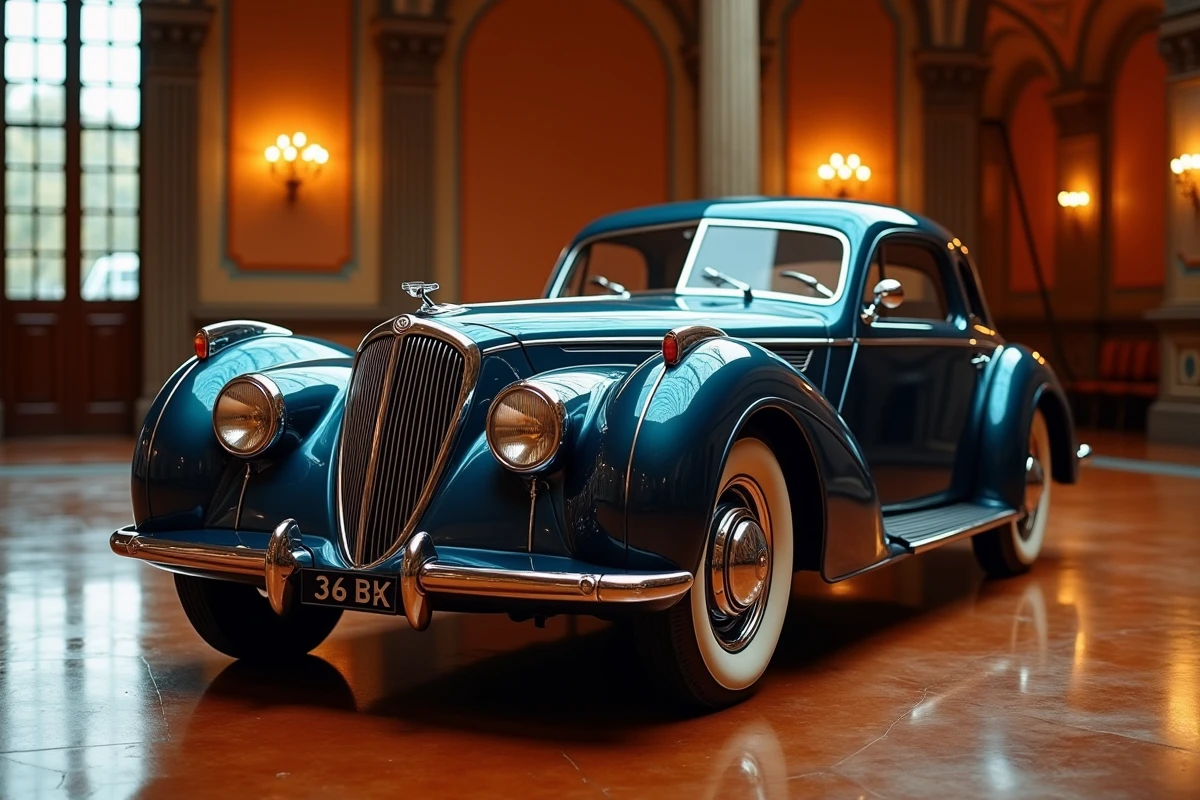
The droplet-shaped body designed by Figoni and Falaschi in the 1930s makes the T150-C SS one of the most beautiful examples of Art Deco applied to the automobile. Only a handful of units received this specific body, each differing slightly according to orders.
These Talbot-Lago regularly appear in international elegance contests, where they win awards for their aesthetics. Their market value reflects both the quality of the handcrafted bodywork and the rarity of the model.
9. Aston Martin DBR1
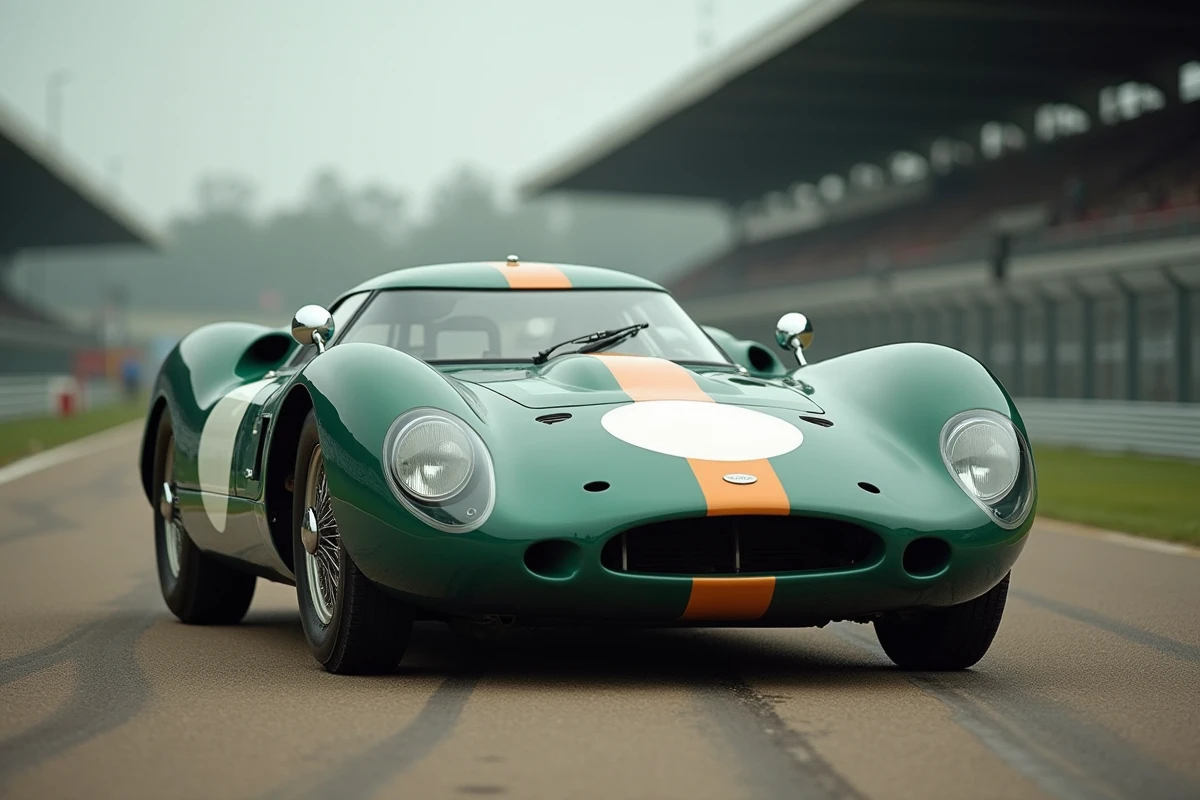
Five units built between 1956 and 1959. The DBR1 won the 24 Hours of Le Mans in 1959, giving Aston Martin its only victory in this event. Its inline six-cylinder engine with dual overhead camshafts developed enough power to beat Ferraris on the Sarthe circuit.
The victory at Le Mans gives the DBR1 a unique status in the history of the British brand. One of the five units was sold at auction for an amount that makes it the most expensive Aston Martin ever exchanged.
10. BMW 507
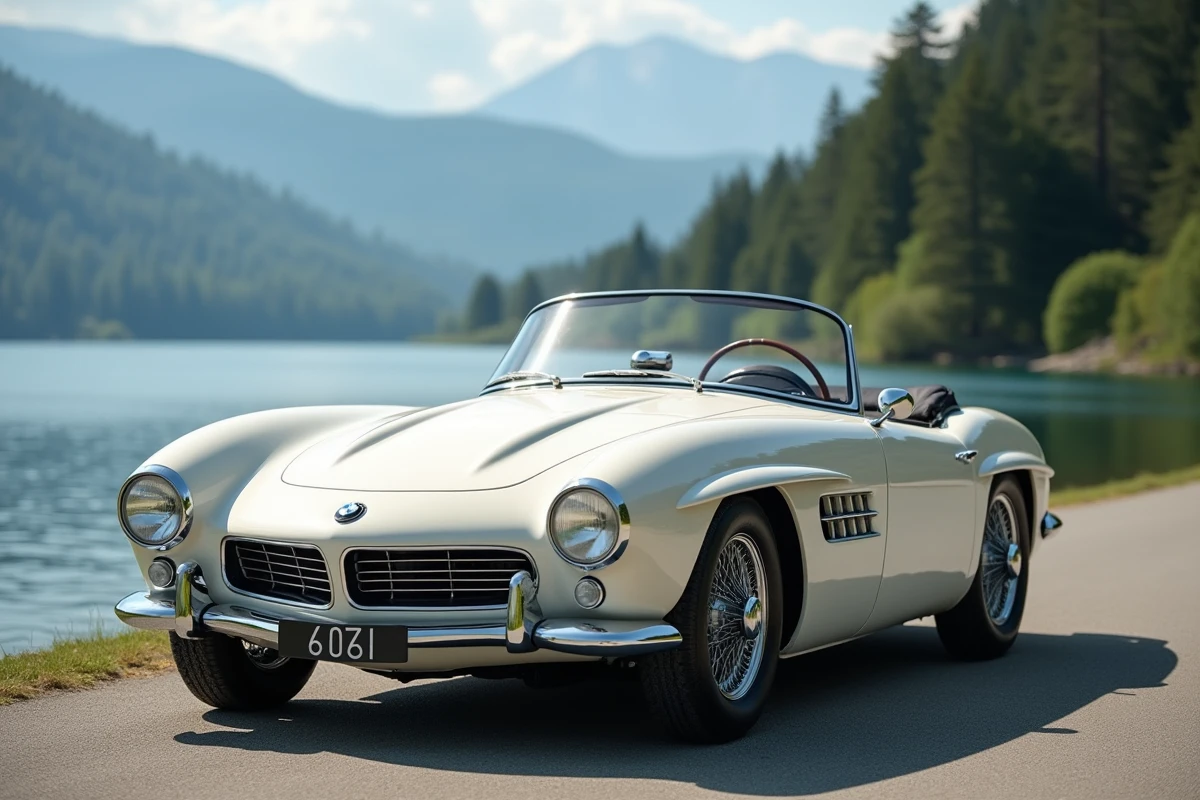
Produced between 1956 and 1959, the BMW 507 was made in only a few hundred units, a volume far below BMW’s initial forecasts. Its design by Albrecht von Goertz remains one of the most elegant in the history of the Bavarian manufacturer.
At its launch, the high production cost nearly put BMW in financial difficulty. Elvis Presley owned two units during his military service in Germany, a detail that adds a cultural dimension to the model’s appeal among collectors.
The market for rare cars is no longer limited to historical thermal engine models. Contemporary hypercars in ultra-limited series and collaborations between manufacturers and luxury houses (like the BMW XM Mystique Allure show car presented in Cannes) herald a new generation of rarities. In France, a recent regulatory change now prohibits declaring a classic vehicle as “economically irreparable,” strengthening the protection of these exceptional models.