On the north coast, a sand yachting course can be booked the day before for the next day. In inland Brittany, a pottery workshop welcomes visitors even in November. This ability to offer leisure activities that are quickly accessible, regardless of the season, makes Brittany a playground that extends beyond the two summer months.
Craft Tourism in Brittany: Workshops Open All Year Round
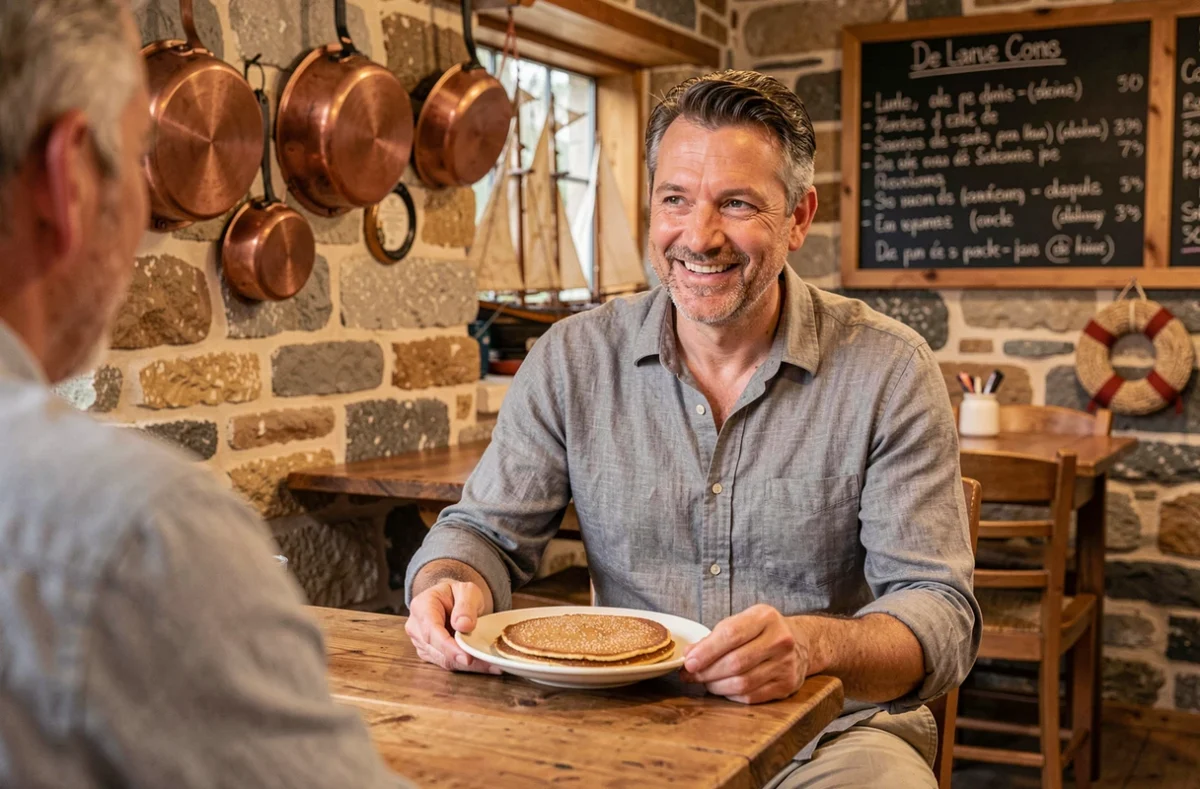
When the weather drives people away from the beach, inland Brittany takes over with an offer that is still underutilized: craft tourism. Visitors can tour artisan workshops, canneries, local breweries, or shipyards, often open to the public outside of peak season.
This type of outing works particularly well between October and March, when water activities slow down. One can enter a pottery workshop in Quimper or a cider house in Morbihan without needing to book long in advance. To find activities on Portail Breton, you can filter by geographical area and type of leisure, making it easier to plan a short stay.
The interest in these visits goes beyond mere curiosity. Visitors leave with a concrete understanding of the territory, and children retain more than after yet another aimless walk. Feedback varies on this point, but participatory workshops (pottery, weaving, cooking) seem to capture the attention of younger audiences better than purely observational visits.
Hiking in Inland Brittany: The Alternative to the Crowded Coast
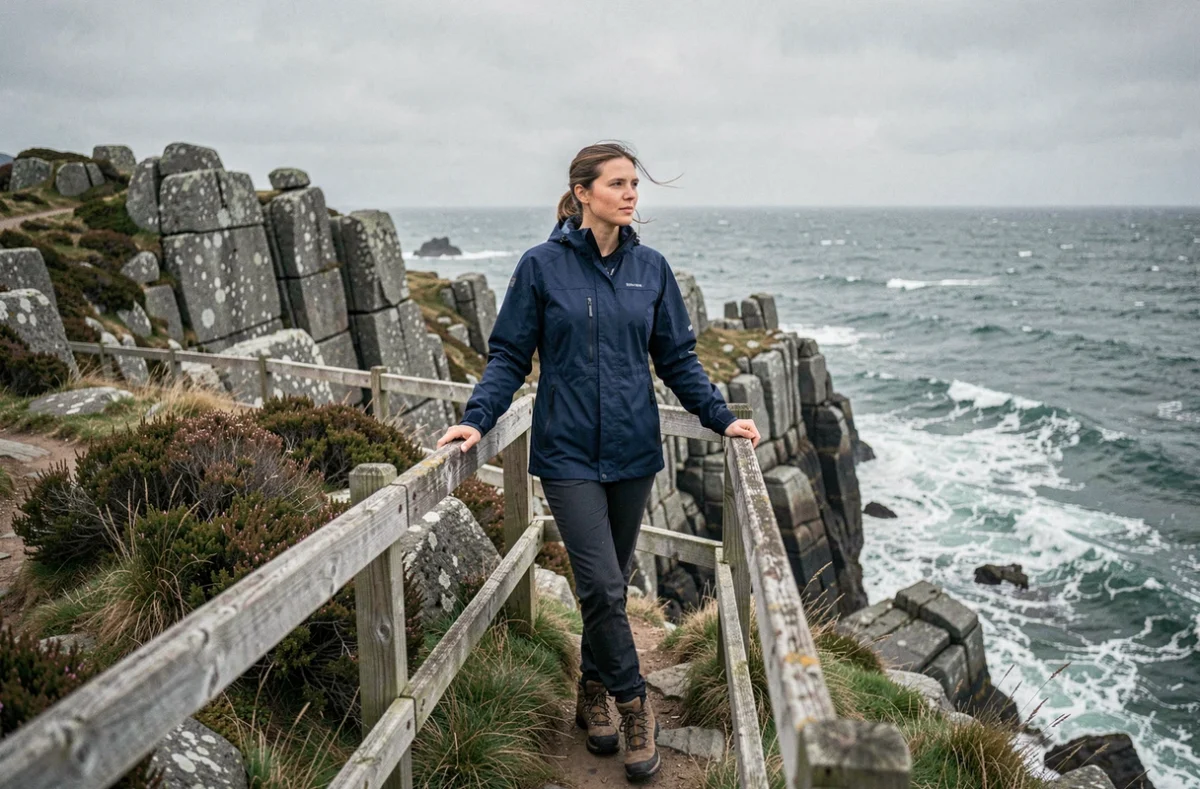
The tourist concentration on the coast masks a remarkable network of inland trails. The canals from Nantes to Brest, the Brocéliande forest, the Blavet gorges in Morbihan: inland Brittany offers walkable routes from January to December.
In Côtes-d’Armor, hikes in the hinterland combine moderate elevation and medieval heritage. You will encounter isolated chapels, restored mills, and granite chaos deep in the forest. The terrain remains accessible to families with children from six or seven years old, provided that short loops are chosen.
Preparing for an Outing in September or October
Data relayed by Atout France confirms that September is gaining importance as a tourist period. The light is often better than in mid-summer, the trails are less crowded, and rural accommodations offer lower rates. It’s the ideal time for a four to six-night stay focused on walking and culinary discovery.
A practical point: Breton paths often remain damp even outside of winter. Waterproof shoes and walking sticks can dramatically improve comfort on muddy sections.
Water Activities in Brittany: Beyond Classic Sailing
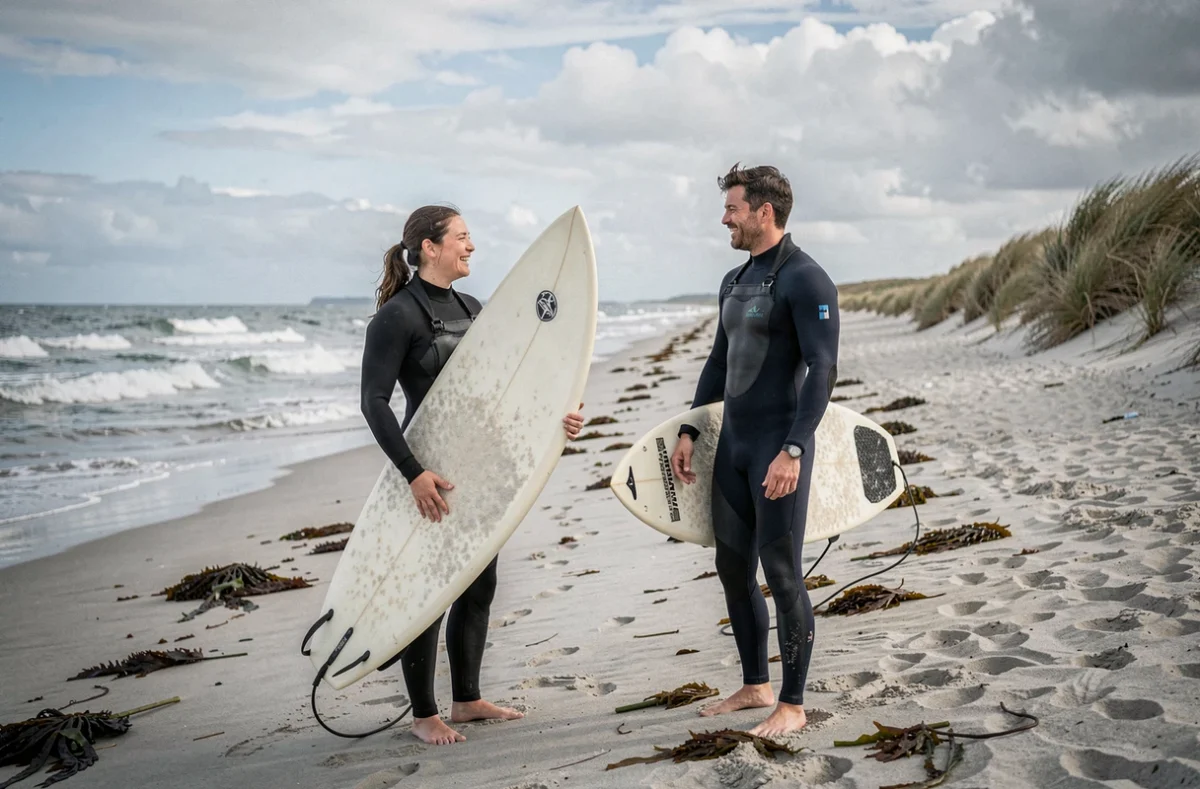
People think of sailing and surfing, but the Breton nautical spectrum has significantly expanded. Stand-up paddleboarding is practiced both on the Pink Granite Coast and in the calm rias of Finistère. Sea kayaking allows you to approach the Seven Islands archipelago, a site conducive to observing seabirds.
- Sand yachting on the wide beaches of northern Finistère and the bay of Saint-Malo, available from spring with a steady wind.
- Long-distance walking (aquatic walking), accessible without any particular physical condition, offered by many associations from Brest to Saint-Malo.
- Group sailing trips, such as those offered on the Trégor coast, where each passenger participates in the maneuvers.
Most of these activities can be booked the day before or on the same day, which aligns perfectly with the trend of last-minute bookings observed by Cocoonr in its summer report.
Family Leisure and Rainy Days: What to Do in Brittany When the Sky Closes In
Let’s not skirt the issue: it rains in Brittany, sometimes for several days in a row. Having a plan B is not an option, it’s a necessity. The good news is that indoor offerings have expanded well beyond the traditional museum.
Museums and Interactive Spaces for Children
In Brest, Océanopolis remains a safe bet but is not the only option. Museums in Rennes offer workshops for young audiences on weekends and during school holidays. In Morbihan, several spaces combine creative workshops and local heritage discovery, which easily occupies half a day.
Amusement Parks and Indoor Spaces
Indoor amusement parks (trampolines, climbing, virtual reality) have multiplied around Rennes, Brest, and Saint-Malo. For families with young children, these facilities allow you to save a rainy day without spending hours in the car.
A useful reflex: combine an indoor activity in the morning with a short outdoor outing in the afternoon if a break in the clouds appears. Breton weather changes quickly, and a day that starts under rain often ends under the sun.
Short Stays in Brittany: Organizing Two to Three Days of Varied Activities
Cocoonr’s summer report indicates a rise in stays of four to six nights, with bookings made shortly before arrival. This short format requires concentrating activities geographically to avoid spending half the stay in the car.
- Saint-Malo – Dinan axis: maritime heritage, hiking on the GR34, sand yachting on the bay beaches, artisan workshops in Dinan.
- Pink Granite Coast – Lannion axis: kayaking around the Seven Islands, customs path between Perros-Guirec and Ploumanac’h.
- Morbihan Gulf – Vannes axis: sailing in the gulf, history museum in Vannes, oyster farming with tasting.
Each axis can be covered in two to three days with less than a half-hour travel time between each activity. You save time, children don’t get tired in the car, and you truly enjoy each stop.
Brittany works better when you break it down into micro-territories rather than doing a grand tour. Choosing a restricted radius and exploring it thoroughly remains the best way to enjoy it, whether for a long weekend in March or a week in September.