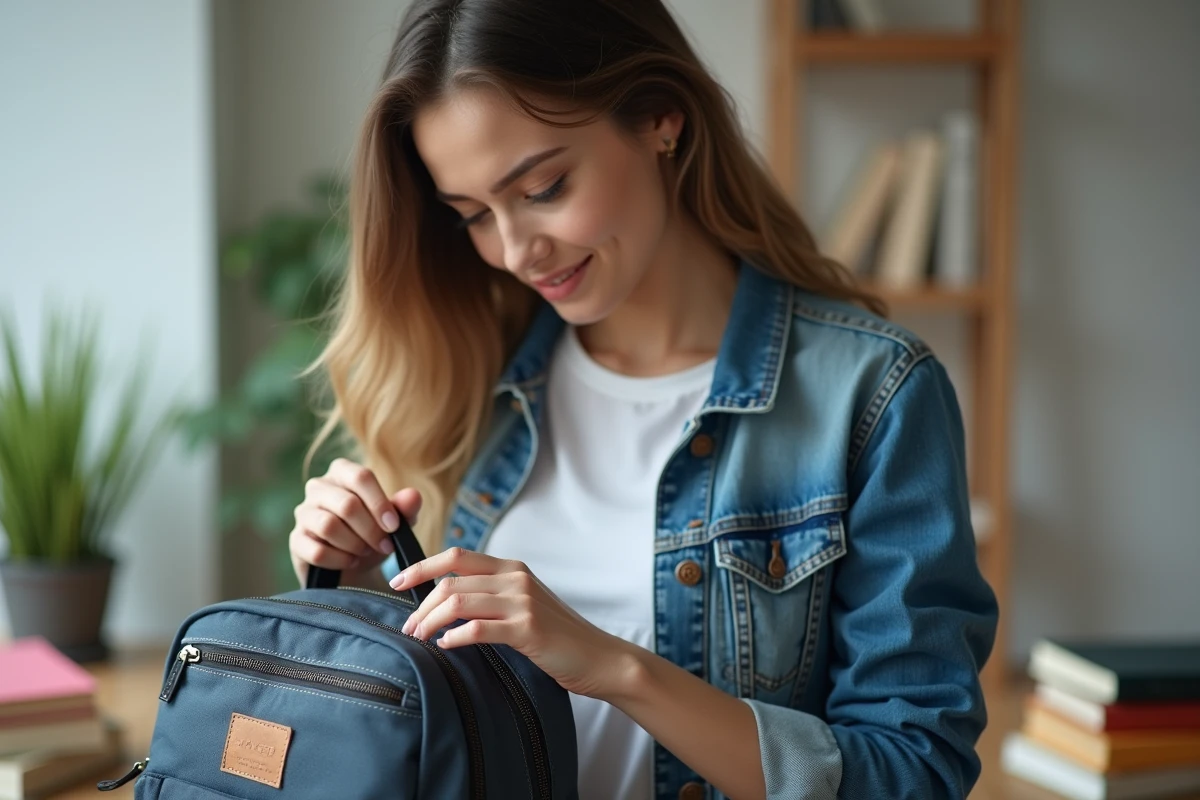
The serial number sewn inside is a detail often overlooked by counterfeiters. Some authentic models show variations in the logo depending on the year of production, contradicting the idea of a unique marking. YKK zippers do not appear systematically on every version, despite their reputation as a reliable indicator.
Sewing errors, misaligned labels, or materials incompatible with the official range often signal a counterfeit. Authenticity can also be verified through the point of sale, as only authorized distributors offer the manufacturer’s warranty.
Why so many Eastpak bags are copied: understanding the scale of the phenomenon
The success of the Eastpak bag is undeniable, driven by its recognizable design, proven durability, and its aura in urban culture. This visibility logically attracts counterfeiters. Counterfeits are multiplying on second-hand platforms, where the lack of strict control opens the door to copies that sometimes come close to perfection at first glance. The quest for an iconic bag at a reduced price fuels this parallel market.
To illustrate the diversity of common traps, here are some situations that buyers often encounter on these sites:
- Some bags circulate on these platforms, sold as authentic, while they reveal, upon examination, details that are unmistakable: lower quality materials, hesitant stitching, approximate logos.
Luxury boutiques remain a safe option for those who demand authenticity. The selection of suppliers is strict, and each bag benefits from clear traceability. In contrast, rushing to a tempting second-hand listing exposes one to many disappointments: no warranty, no recourse, no certainty about the origin. To limit risks, inspecting authenticity indicators is essential: serial number, inner label, impeccable finishes.
Recognizing an original Eastpak requires meticulous attention and some familiarity with counterfeiting methods. Contacting the manufacturer’s customer service or consulting specialized resources helps to dispel lingering doubts. Stay vigilant: even reputable platforms are not immune to well-concealed fakes. The circulation of copies does not slow down, raising questions of trust and respect for quality work.
Recognizing a genuine Eastpak: the details that don’t lie
A genuine Eastpak bag reveals its true nature through a series of concrete signs, easy to spot for a trained eye. The first point to check is the Eastpak logo. On the original, the embroidery displays flawless clarity, with no stray threads or misalignment. The typography and color remain true to the official model. Imitations often reveal small errors or questionable nuances.
Next, checking the stitching is essential. On a real bag, the regularity is striking: close stitches, no hanging threads, no weaknesses. Official versions usually incorporate YKK zippers, synonymous with longevity. Counterfeits sometimes skip this detail, opting for cheaper alternatives, sometimes without the famous engraving.
The polyester used on an original exudes robustness: the fabric is thick, dense to the touch, designed to last. For buckles and buttons, steel or metal predominates at Eastpak, while fakes often prefer plastic or low-quality alloys. Take a look inside: a label mentions a serial number specific to each bag. This code, once communicated to Eastpak customer service, allows for quick verification.
An original comes with a 30-year warranty, an exceptional duration reflecting the brand’s confidence in its manufacturing. This point, largely absent on copies, carries significant weight during purchase. For flagship models, such as the Padded Pak’r, paying attention to these characteristics helps avoid many disappointments.
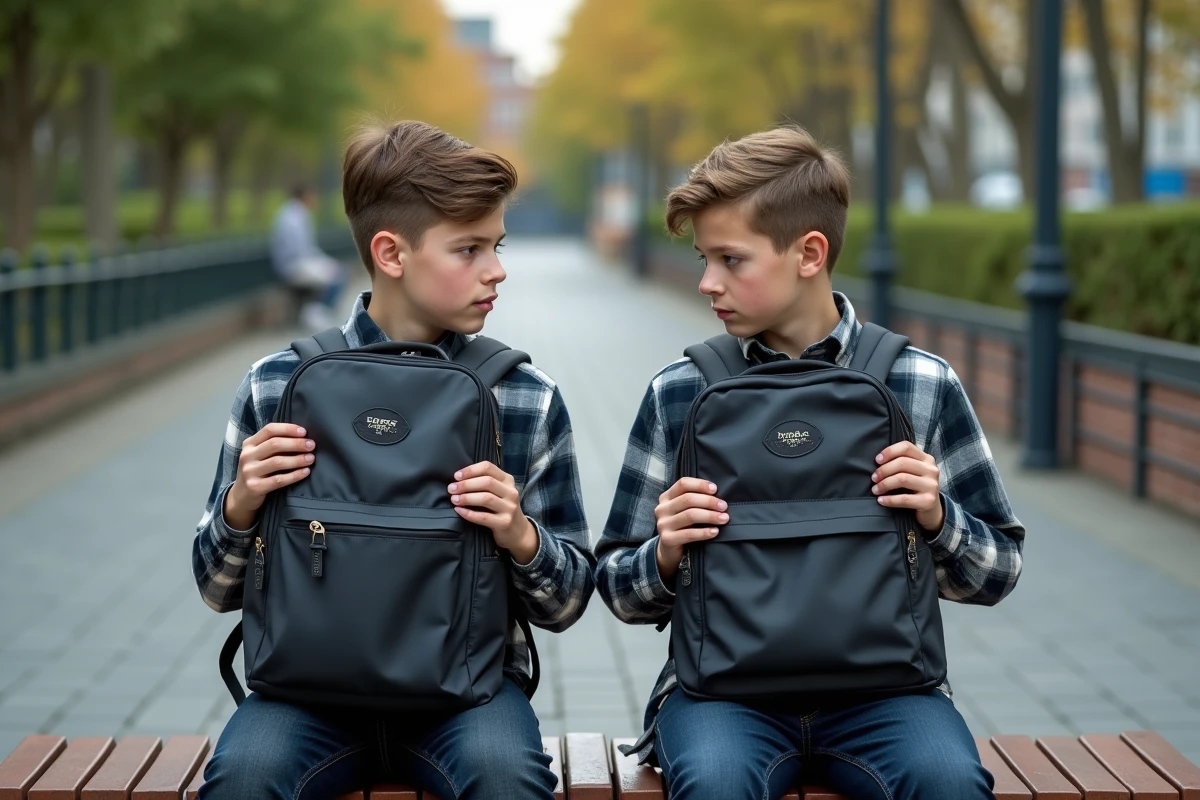
Online or in-store purchase: practical tips to avoid common mistakes
The choice of purchasing channel makes all the difference. Opting for luxury boutiques or certified platforms guarantees an authentic Eastpak bag and the certainty of clear traceability. These sellers offer the Eastpak warranty, that famous 30-year protection, rare in the market of copies.
When facing second-hand platforms, caution should prevail. The offer is vast, but the risk of acquiring a counterfeit remains very present. Always demand precise photos: logo, inner label, stitching, serial number. Question the seller relentlessly: date and place of purchase, invoice, existence of a warranty. A vague or evasive interlocutor should raise immediate alarm.
Before confirming an online purchase, take the time to check the seller’s reputation and return conditions. In a store, touch the bag, assess the density of the polyester, the reliability of the YKK zippers, and the condition of the stitching. Any doubt? Contact Eastpak customer service with the serial number: this step remains the safest way to confirm Eastpak authenticity.
Transparency, attention, and patience remain your best allies. In the jungle of the Eastpak market, vigilance and going through official channels make the difference between a smooth purchase and a bad surprise. Spotting the original also means cultivating a sharp eye, and that, no one can counterfeit.