Paris is not just about its grand museums or the terraces of the Marais. Current trends are shaping a city where cultural programming is migrating to neighborhoods long ignored by guides, where regulations are transforming urban mobility, and where ephemeral events are redefining the relationship with public spaces.
Belleville and the new free cultural hubs in Paris
Belleville today concentrates a density of micro-cultural events unmatched in the capital. Screen printing workshops at the foot of buildings, documentary screenings in inner courtyards, public readings organized by neighborhood collectives: the programming relies on associative networks, not on institutions.
This community model is extending to other districts. The northern part of the 19th and certain streets in the 20th operate on the same principle, with associative galleries opening their doors on weekends without ticketing. Free access is not a marketing argument; it is a structural condition linked to crowdfunding and neighborhood grants.
We observe that these initiatives attract a local audience as well as visitors seeking a Parisian experience detached from traditional tourist circuits. To keep up with this ongoing news, https://www.paris-today.com/ aggregates events by district, including those that escape major cultural agendas.
The phenomenon goes beyond mere neighborhood animation. Artists who have been based in Belleville for several years are now structuring open paths, with stopping points in live-work studios, repurposed wastelands, and shared spaces. Belleville operates as an open-air living art circuit, without a curated exhibition or imposed scenography.
Electric scooter regulations in Paris: what changes in 2026
The order from the Paris Police Prefect n°2026-045 dated February 12, 2026, confirmed the phased ban on non-geolocated electric scooters in central districts. This measure aims to reduce incivilities related to wild parking and sidewalk traffic.
Specifically, operators must equip their fleets with a geolocation system that complies with the Prefecture’s requirements. Models that do not meet this criterion are withdrawn from circulation in the affected areas.
Users of personal scooters are not exempt. The regulation requires prior registration to operate within the regulated perimeter, which significantly alters daily commuting habits.
For visitors, this means that spontaneous rental of self-service scooters becomes more regulated in central Paris. We recommend checking the coverage of operators before relying on this mode of transport to reach a location or event.
Exhibitions and events not to miss in Paris
The Parisian museum programming remains dense, but the most notable events this season often take place outside the major institutions. A few appointments deserve special attention:
- The Louis Vuitton Foundation is dedicating an exhibition to Alexander Calder, a major figure in kinetic sculpture. The exhibition puts mobiles and stabiles in dialogue in a display designed for Frank Gehry’s architecture.
- The Paris Fair, an annual large-scale event, combines art de vivre, innovation, and gastronomy over several days. The format remains generalist but now includes sections dedicated to science and nature.
- A new XXL cultural venue has opened its doors in the 18th arrondissement, at the Porte de la Chapelle. Its programming intersects live performances, music, and contemporary art in a space designed to host hybrid formats.
Temporary exhibitions are renewed at a brisk pace, with sometimes monthly rotations in Parisian galleries. Following a specialized agenda remains the best way not to miss an ephemeral display.
Theater and live performances
The Comédie-Française is programming “La Puce à l’oreille” by Georges Feydeau, a classic of vaudeville that attracts both regulars and the curious. Parisian theater is experiencing a rich season, with offerings ranging from classical repertoire to contemporary creations in more intimate venues.
Open-air cinema is also making a comeback as soon as the first warm evenings arrive. Several districts organize free screenings in parks, often coupled with discussions with directors or critics.
Sports and major Parisian events: beyond the Parc des Princes
The Champions League final PSG-Arsenal mobilizes the city well beyond the stadium. The Parc des Princes is expected to broadcast the match on giant screens, transforming the Auteuil neighborhood into a gathering zone for thousands of supporters.
Paris uses its major sporting events as a lever for urban animation. Fan zones, public broadcasts, and ancillary activities (sports initiations, food stands) create an event within the event.
Sports in Paris is not limited to professional competitions. Running events in the woods of Vincennes and Boulogne, free yoga sessions in parks, and amateur tournaments in municipal gyms contribute to a daily sports offering that is often underestimated.
Fashion, gastronomy, and current Parisian trends
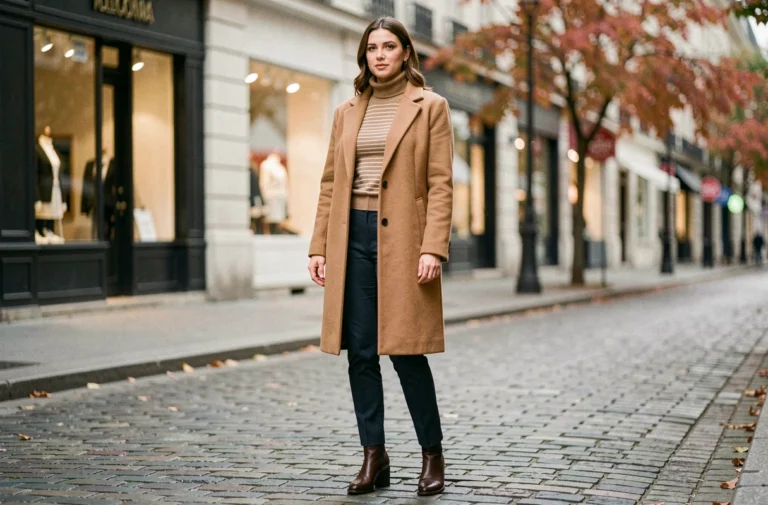
Parisian fashion is increasingly experienced on the streets. Ephemeral pop-up stores, designer sales in private apartments, and independent fashion markets in atypical locations are gradually replacing the traditional showroom model.
On the restaurant side, the trend is towards tables that work with local products in short supply chains. Menus change weekly based on arrivals, making each visit different. Parisian gastronomy now prioritizes radical seasonality on fixed menus.
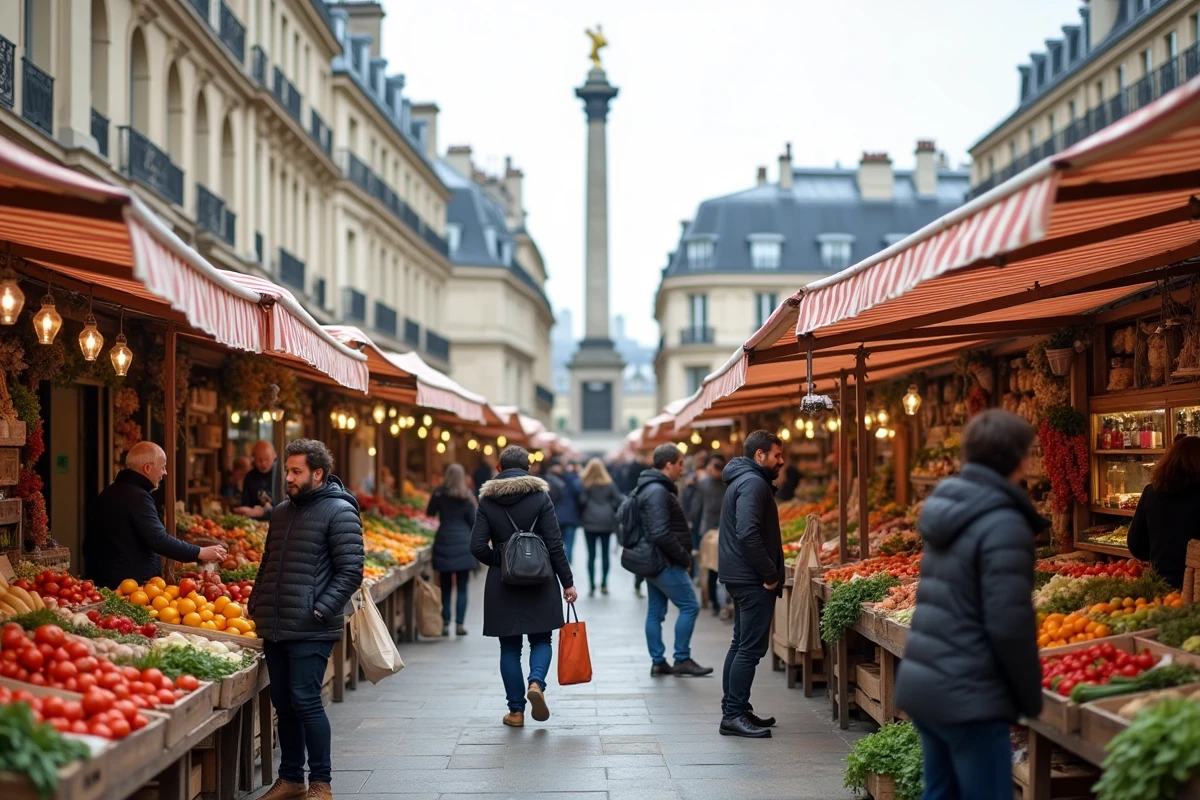
Covered markets, such as the one on Rue d’Aligre or the Enfants Rouges, remain anchor points for capturing current culinary trends. They feature both long-established caterers and world cuisines driven by the latest wave of immigration.
Paris in 2026 can be read through these micro-trends which, when put together, outline a more decentralized city, more regulated in its mobilities, and more open in its cultural programming. Popular neighborhoods are no longer just transit zones: they produce the cultural news that the rest of the city eventually adopts.